Can alcohol cause anxiety?

Alcohol and anxiety

Can alcohol cause anxiety?

Published on October 4th 2022.
Written by Jenna Farmer.

Whether it’s a glass of wine after a stressful day or a few beers with your co-workers, many of us drink alcohol on a regular basis. In fact, around 60% of Americans drink alcohol, consuming just over 3 alcoholic drinks a week on average.  But does drinking alcohol impact those of us with anxiety differently?

Whilst many of us drink in moderation, we may notice a relationship between our anxiety and alcohol. Some people may gravitate to drinking more alcohol in periods of poor mental health whilst others may find their anxiety worsening when they drink it. According to research, those who drink alcohol are more likely to develop mental health issues and those with severe mental illness may be at more risk of alcohol problems

But what is the actual relationship between alcohol and anxiety? How does alcohol affect people with anxiety and can alcohol actually cause anxiety? Let’s find out…

Alcohol and anxiety

Photo by Jakob Owens on Unsplash

How does alcohol affect your mental health?

Alcohol impacts our physical and mental health in lots of different ways. First up, it’s a diuretic; meaning it makes you pee more and can dehydrate you. Why is this important? Well, it turns out being dehydrated is a lot more common than you think: It’s thought that three-quarters of Americans are dehydrated and dehydration is often worse in people with poor mental health. This is because those who have a low or poor mood may often neglect basic tasks such as eating and drinking. There are also certain health conditions – such as diabetes or digestive issues – which put you more at risk of dehydration too.

If you’re already at risk of dehydration, alcohol may worsen the problem. Some studies have found a link between how hydrated you are and anxiety. One found that drinking more water and being more hydrated decreases your risk of anxiety.

But why else might alcohol not be ideal for your mental health? Well, anxiety also impacts your blood sugar levels.

“It can cause drops in blood sugar, which leads to adrenaline and cortisol being released; creating some feelings of anxiety,” explains Nutritionist Hannah Hope.

Ever find you have less of a hangover if you drink with a full meal? Well, this is why. If you’re going to drink, it’s often recommended to drink a glass of alcohol with a full meal to help slow this blood sugar release down.

What about if a glass of wine or a few beers is your go-to for feeling more relaxed? It does help reduce the time it takes us to actually fall asleep but this relaxed feeling doesn’t always last for very long; and we may then feel more anxious after the alcohol wears off.

“Initially, you may feel relaxed as alcohol is a sedative and you can feel that anxiety levels have dropped, but Alcohol can change levels of serotonin and anxiety can feel worse after you have stopped drinking it,” explains nutritionist Hannah Hope. Whilst you might drift off more quickly, you might notice a more restless night, since alcohol can also cause you to wake up more often.

A big problem arises when people then try to drink more alcohol (and even become dependent)  to stop their anxious feelings.

Is it okay for people with anxiety to drink alcohol?

Science suggests there are a few reasons why your anxiety may be worsened by alcohol and why it is not a great idea to drink it.

However, that doesn’t mean you can never have a glass of wine again.  Some people with anxiety may drink in moderation with no problem but it’s really important to be aware of the impact alcohol has on your mood.

Either way, frequently drinking alcohol when you’re prone to anxiety is really not a great idea.

“Long-term alcohol consumption can increase the risk of developing an anxiety disorder as it reduces GABA tone, a calming neurotransmitter in the brain. Alcohol also suppresses Glutamate, an excitatory neurotransmitter, but the body responds to this by making more Glutamate, and this can cause feelings of anxiety.” adds Hannah Hope.

If you find yourself relying on alcohol to feel less anxious or your anxiety levels increasing after you’ve finished drinking, it’s a sign to have a chat with your doctor who will be able to recommend other ways to cope with your anxiety.

Otherwise, we recommend tracking whether alcohol (or certain types of it) triggers your anxiety to find the balance that works for you.

What should you do if alcohol is a trigger for your anxiety?

The easy answer would be to say stop drinking it. But we know that sometimes life doesn’t work like that-whether that’s birthday parties, Christmas or just feeling like you need a glass of wine after a stressful week. You can, however, take active steps to cut down on the amount you drink.

“To ameliorate these feelings, try reducing the amount you drink or stop altogether.” If you can’t do that, spacing out drinks can really reduce the impact alcohol may have. “Make sure you are drinking a glass of water with each alcoholic drink, drinking with food or slowing down how fast you are drinking alcohol.” says Hannah Hope.

Being more aware of your mental health and triggers is really important to understand why you’re drinking. If you know you’re likely to be anxious today (or are in the middle of an anxiety attack) and that’s why you’re heading to the store to buy beer, then look for alternative coping strategies to manage your anxiety instead. These could include exercise, getting out in the fresh air or talking to a loved one.

If you find yourself drinking socially or because you just like the taste, it’s worth pointing out that there are a TON of amazing alcohol-free drinks on the market (in fact, the market is booming: sales of non-alcoholic wine and beer were up by $219 million last year) which offer all of the taste and none of the impacts alcohol brings. 

Finally, if you notice a relationship between your anxiety and alcohol but are unable to stop drinking, it is important you seek medical help from a doctor. If you’re in the UK, you can visit The National Institute of Alcohol Abuse and Alcoholism.

So, can alcohol cause anxiety? Only you know how drinking impacts your anxiety but there are several reasons why moderating how much alcohol you drink is a good idea for your physical and mental health. If you’re not sure if alcohol is a trigger for your anxiety, you could also use the Bearable app to monitor your alcohol intake and its impact on your symptoms & mood.

Note. The information provided is for educational purposes only, and is not a substitute for professional medical advice.  Consult a medical professional or healthcare provider if you’re seeking medical advice, diagnoses, or treatment.

Help someone out by sharing this article with them …

Caffeine and anxiety: what’s the connection?

coffee vs. anxiety

Caffeine and anxiety: what’s the connection?

Published on September 5th 2022.
Written by Jenna Farmer.

Whether you rely on coffee for a boost of energy when fatigue sets in or have a diet coke habit that you just can’t kick, you’re not alone. 

Caffeine, a natural stimulant that is found in a range of drinks such as coffee, tea and coca cola, is something a huge number of us consume regularly. In fact, over 300 million Americans drink coffee every single day, with an average consumption of 3 daily cups. 

This doesn’t even include other sources of caffeine-such as soda, iced tea or energy drinks, which many people don’t realise are high in caffeine.

“It’s worth noting that hot chocolate can also have a pretty high dose of caffeine in it,”  says BANT registered nutritionist Eva Humphries.

coffee vs. anxiety


Caffeine isn’t always a bad thing – it can make us feel more alert and energised – and
has even been linked to lowering your levels of depression. Quantity is important too. The US Food and Drug Administration considers 400 milligrams (around 4 cups of coffee or around 10 cups of diet cola) safe for adults, suggesting those who are pregnant limit it to 200mg. 

However, caffeine has also been linked to anxiety, meaning it might not be a good idea if you live with symptoms of anxiety. Let’s unpick whether coffee can actually cause anxiety and why some people may look into managing anxiety with caffeine alternatives. 

Can caffeine cause anxiety?

First up, could too much caffeine be the reason you found yourself down an anxiety spiral this morning? Well, caffeine impacts the body in lots of different ways. One of these is that caffeine blocks adenosine receptors. Adenosine is a neurotransmitter that’s responsible for making us drowsy, so this action helps keep us awake (perfect if you’re trying to function on hardly any sleep or regularly deal with fatigue). This causes the levels of the neurotransmitter dopamine to rise. These high dopamine levels have been linked to anxiety.

“Caffeine also raises cortisol and as cortisol is a stress hormone, that’s why caffeine could make stress and anxiety worse.” says nutritionist Eva Humphries.

Caffeine may increase your heart rate (which may trick you into thinking you’re actually in a state of panic) and whilst lower doses of caffeine make us more alert, higher doses may lead to more anxiety. For example, a recent study found college students with a greater caffeine intake were more likely to be anxious.

However, other research suggests that the impact coffee has on our mental health can actually really vary. After volunteers ingested caffeine and then completed an anxiety inventory 25 minutes later, it was found that caffeine only increased anxiety levels in men, whilst women were not impacted. This suggests it could be that females are potentially less sensitive to caffeine.

It’s not quite as simple as gender differences. You may also be more sensitive to caffeine if you’re already prone to anxiety. Almost 6 million Americans have panic disorder (characterised by regular panic attacks) and research has found they are particularly sensitive to the anxiogenic (e.g. the anxiety-inducing) effect of caffeine, with 5 cups of coffee causing a panic attack in a large percentage of those with the condition. 

“When we’re stressed and anxious already, there is already a lot of cortisol floating around so adding more via caffeinated beverages may only make things worse.” explains Eva Humphries.

But why does it feel like we can barely drink a cup without going into stress mode whilst others can handle more before they feel the effect?  Well, one thought is those who are more sensitive to caffeine, may metabolise it more slowly in the body, and it, therefore, causes them more issues.

“Some of us are slow caffeine metabolisers which means caffeine sticks around for longer and has a more acute impact.” adds Eva Humphries.

Should we switch to decaf if we’re experiencing anxiety? 🤔

If we know caffeine makes us more prone to anxiety, should we make the switch to coffee alternatives instead?

Well, you may not need to ditch caffeine completely but cutting down on your caffeine is often recommended if you’re prone to anxiety. Much of the research we mentioned focuses on coffee in larger quantities, so the occasional cup of coffee may cause you no issues.

 One clinical practice study found that the patients who substantially cut down on their caffeine drinking reported the greatest improvements in their anxiety, but also other common issues  – such as sleep disturbance and irritability, suggesting that managing anxiety with caffeine alternatives could certainly be an option for some of us.

However, there’s really no way of knowing how sensitive you are and what your caffeine tipping point is without experimenting with different levels of caffeine. Some may prefer to avoid the risk and opt for no caffeine at all whilst others may prefer to track things more closely. This is where keeping a symptoms diary and tracking your coffee intake may help to pinpoint if caffeine is an anxiety trigger.

Let’s be real though: for some of us, going caffeine-free just isn’t an option. We may rely on energy drinks or coffee to help keep us going through the day; particularly if we have a chronic illness and are low on spoons. If that’s you, then don’t despair, it turns out even switching your caffeine drink to the right time of day could make an impact.

 “I encourage the majority of my clients to reach for the coffee at midday rather than first thing. Cortisol, our stress hormone, is already naturally high in the morning because it is the same hormone that helps to wake us up. This naturally falls during the day so having a coffee at midday rather than first thing may not have such a negative impact.” explains nutritionist Eva Humphries.

If you’re reading this and can’t keep count of how many lattes you’ve had today, then it may be important for you to gradually switch over to decaf rather than purely go cold turkey. According to the American Psychiatric Association, caffeine withdrawal is actually classed as a mental disorder and symptoms can include impaired behaviour, increased heart rate, change in blood pressure and, ironically, anxiety itself.

“Caffeine withdrawal symptoms only last one or two days in most cases” advises Eva, and If you don’t drink as much, there is no reason why you can’t just cut it out cold.

“Unless there is a habitual coffee drinking that exceeds three cups a day, I encourage my clients to go cold turkey. There’s a lot of good quality decaf coffee and teas on the market now but for a totally caffeine-free version, chicory coffee has a similar flavour profile to freshly brewed coffee whilst herbal teas are another naturally caffeine-free option” she adds.

The verdict: are caffeine and anxiety connected? 💡

The relationship between anxiety and caffeine isn’t completely clear cut but there is plenty of science that suggests drinking coffee and other caffeine can make anxiety worse for some people, especially if you’re drinking a lot of it, and are particularly prone to anxiety or are more sensitive to this stimulant. 

You may not be able to completely ditch the coffee but monitoring and managing your caffeine intake could be one useful strategy in managing life with anxiety. Using the Bearable app can help you track just how much caffeine you’re consuming and the role it might be playing in changes in your anxiety symptoms.

Disclaimer. The information provided is for educational purposes only and is not a substitute for professional medical advice. Consult a medical professional or healthcare provider if they’re seeking medical advice, diagnoses, or treatment.

Help someone out by sharing this article on …

The 7 best science-backed coping strategies for anxiety

The 7 best science-backed coping strategies for anxiety

The 7 best science-backed coping strategies for anxiety

Published on August 30th 2022.
Written by Jenna Farmer.

Chapters.
1. Pets | 2. Meditation | 3. Writing | 4. Movement | 5. Gardening | 6. B-Vitamins | 7. Fibre

Whether you live with specific forms of anxiety – such as health anxiety or social anxiety – or even general anxiety disorder, you’re definitely not alone.

The 7 best science-backed coping strategies for anxiety

Over 40 million people in the US (and 8 million people in the UK) struggle with anxiety and google recently reported that more and more of us are searching for advice on our mental health and finding the right coping mechanisms for anxiety.

Whilst you can’t necessarily banish anxiety forever, you can try to equip yourselves with the right coping skills for anxiety to help manage it more effectively- so you can get back to living your life instead. Here’s some of our favourite science-backed coping strategies for anxiety.

1. Spend time with a fluffy friend 🐕

Did you know spending time with your pet can actually help with anxiety? Being in contact with animals is thought to help calm our nervous system and there’s actually scientific proof that being close to animals is a good thing: one study involved a group of students spending ten minutes petting cats and dogs (our idea of heaven!) and found that this lowered their anxiety and levels of the stress hormone, cortisol.

This study shows you don’t need to own a pet to feel the benefits-you might offer to walk a neighbour’s dog or cat sit for your friend once a while. However, if owning a pet is possible for you it could be a good idea, since one survey even found owning a pet boosted your happiness by 22% on average.

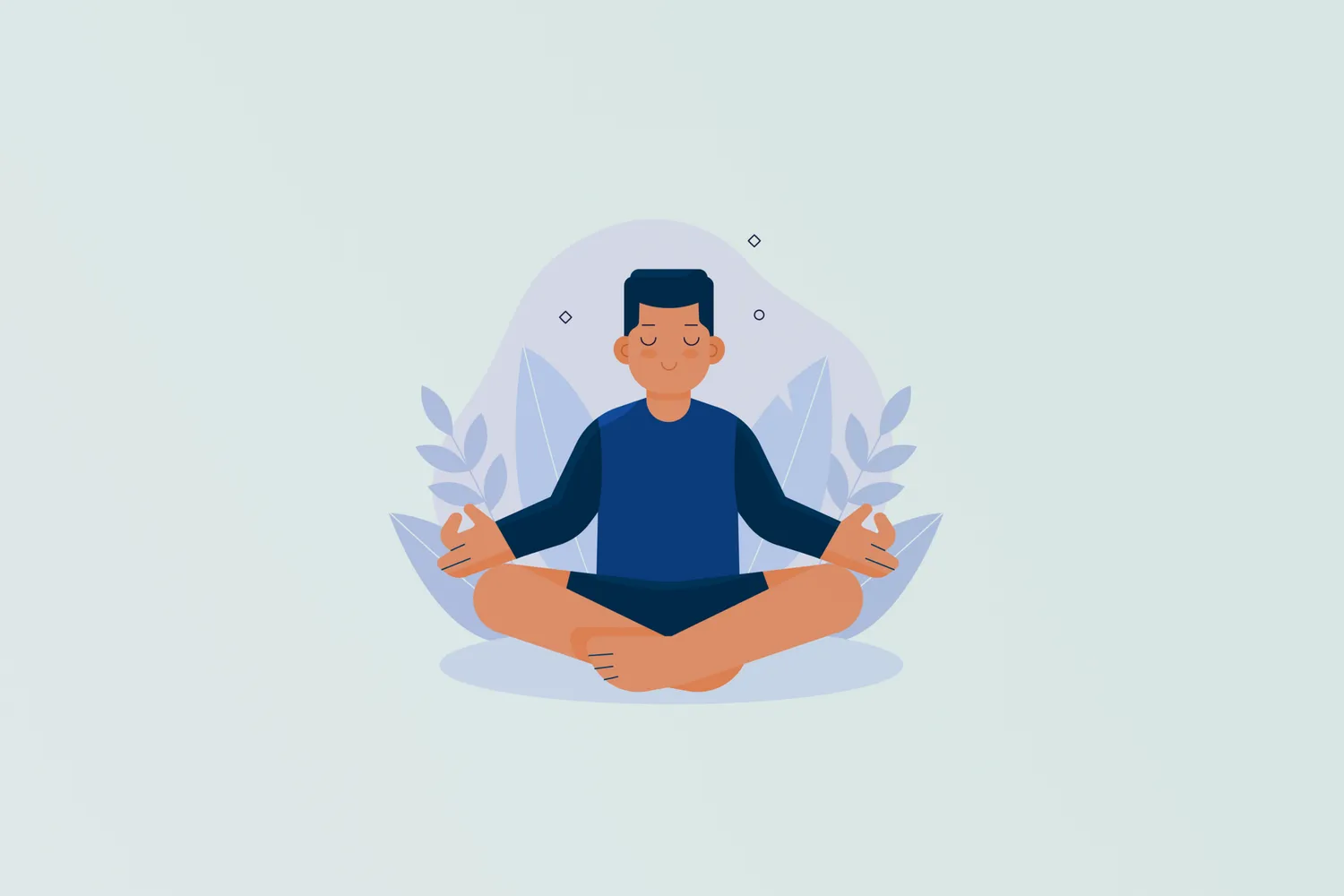
2. Try a simple meditation 😌

We’ve all heard about mindfulness but can it actually help your anxiety? Well the science says yes. A huge overview of studies found that mindfulness meditation programs had moderate evidence of improving anxiety, one study in particular found meditation benefited the anxiety symptoms of general anxiety disorder, as well as coping with stress in general.

The good news is that meditation doesn’t have to mean sitting in silence for hours on end-hurrah! Turns out, meditation can be as simple as a few minutes focusing on one thought.

“Meditation is a fantastic tool in proactively taking care of our mental health. You can get started with just three minutes of mindfulness meditation through breathing. Bring your attention to the sensation of your breathing, notice filling up your lungs and your ribs, chest and lungs move. Counting can help you focus, so if you need to count your breathing, breathe in for five seconds, hold for 6 and then breathe out for 7 seconds,” says award-winning mindfulness teacher Amy Polly.

3. Pick up a pen ✍️

Another simple coping mechanism for anxiety is to write down your feelings. Sometimes this may be just a case of picking up a pen and seeing what comes out, whilst other times you might wish to use specific journal prompts. This can be particularly useful when combined with CBT, with an effective exercise being to ‘challenge’ a negative thought and then write down a more realistic alternative to replace it with.

If you’re not a ‘pen to paper’ type of person, then you can also use an app like Bearable to jot down what you are grateful for and any thoughts you’re currently feeling. The art of journaling for fifteen minutes a day three times a week has been shown to boost your mental wellbeing.

4. Workout to help your body and mind 🤸

Sometimes when we’re in an anxiety-hole, exercise is the last thing we feel like doing but it’s actually one of a few really useful coping strategies for anxiety. Not only does it give your body a boost of feel-good endorphins but it can help as a distraction from intrusive thoughts and provide routine as part of a self-care routine. Tons of studies have found evidence exercise positively impacts anxiety but it’s all about finding the right exercise for you.

Aerobic exercise (e.g. the type that gets your heart beating faster) is thought to be the most useful – think dancing around your living room or even power walking around the park – but yoga can help too: one study of 52 women found both anxiety and stress decreased significantly after 12 sessions of Hatha yoga.

As always, it’s important to work with your body and its physical capabilities: for example, you may choose to opt for adapted exercises, such as seated workouts, if you have mobility issues. For those with chronic fatigue, you may need to increase length and intensity of your exercise slowly-some people may find warm water exercises helpful as this provides less stress on the joints.

5. Get out in the garden 🪴

If we had a dollar for every time someone told us ‘just get out in the fresh air,’ we’d be able to hire a live-in therapist. Unsurprisingly, good mental health isn’t quite as simple as that but gardening can be a pretty great coping strategy for anxiety for a few reasons. It offers a real sense of accomplishment and purpose, and is a great excuse for a phone-free hour.

Gardening is much more affordable than many activities: forget an expensive gym membership, you just need a bit of green space! Whether you have a dedicated spot at your local allotment or just like tending to the flowers on your balcony, the benefits are still the same. In fact, even taking care of indoor plants is thought to help with stress.

Don’t worry if the act of gardening itself takes up too much energy however, simply being around green space more regularly can really help – a study by the University of Exeter found that those who moved to green areas in general (e.g. having more access to gardens and parks) improved their mental health.

6. The power of B vitamins 💊

Whilst we all aim to get the vitamins and minerals we need from a healthy diet, it’s not always possible, whether that’s due to dietary restrictions or fatigue meaning you just don’t have the energy to whizz up a superfood smoothie today. One group of vitamins that are often linked to our mental health are B vitamins. Biotin (otherwise known as B7) is known for helping your hair grow longer but it’s also been shown those who have higher levels of it had lower odds of getting anxiety of depression.

B1 and B5 also slash your anxiety risk and research has found B6 supplementation was found to reduce anxiety. This is because these vitamins are all involved in our brain function. The good news is you may not even need to supplement: one study that involved people tucking into yeast based spread had improved anxiety scores. Great news if you’re a marmite fan like us.

“Eating a varied diet should ensure you get the right levels of B vitamins as they are widely available in food. However. vegans need to supplement with B12 because it’s only found in animal products” explains Nutritional Therapist Anna Mapson

7. Fill your plate with high-fibre foods 🥦

There’s no one diet that can banish your anxiety but there has been some research that suggests some foods and drinks are more helpful than others. When we’re super anxious, we may instead skip meals and turn to sugary snacks, which isn’t ideal.

“Anxiety can be made worse with a high sugar diet that’s low in fibre as this causes blood sugar crashes. Opting for wholegrains and high fruit and vegetable intake keeps your diet high in fibre and helps to keep your blood sugars balanced which can help reduce anxiety,” explains Nutritional Therapist Anna Mapson of Goodness Me Nutrition.

You don’t necessarily have to follow this diet permanently but it could be an idea to eat a dinner or lunch that centres around these foods when you’re anxious, since whole grains, protein and veggies all help keep our blood sugar steady.

Track coping strategies for anxiety 🔍

We hope these simple science-backed tips have given you some ideas to get started in getting to grips with your anxiety and get back to living life to the fullest. Whichever of these strategies you choose to implement into your daily life, remember that you can use Bearable to learn how they impact your anxiety, mood, sleep, energy levels and any symptoms you’re experiencing.

Disclaimer. The information provided is for educational purposes only and is not a substitute for professional medical advice. Consult a medical professional or healthcare provider if you’re seeking medical advice, diagnoses, or treatment.

Help someone by sharing this article with them …

Seasonal Affective Disorder & Depression

SAD & Depression

Seasonal Affective Disorder and Depression Published on November 5th 2024Written by Jesse Driessen What is Seasonal Affective Disorder? Approximately 15 million Americans are thought to

Read More »
Best Postural orthostatic tachycardia syndrome app

Best PoTS App 2024

PoTS App The top 5 apps for tracking PoTS in 2024 Published on October 24th 2024Written by Jesse Driessen Living with Postural Orthostatic Tachycardia Syndrome

Read More »